Bulimia & Binge Eating Self Help
Self help guide for Bulimia or binge eating, using effective CBT strategies. Make sense of the problem, then learn how to make positive changes
Bulimia Self Help - this page as PDF
Bulimia usually affects more women than men, and often starts in the late teens or early twenties following a strict diet or stressful life event. The individual most likely has a poor self-image, and places much emphasis on needing to be thin to be attractive.
In bulimia, the individual will try to control their weight by restricting their diet, but then crave food and binge eat. This is followed by vomiting, over-exercising or taking pills (laxatives, diuretics, diet), and are often of normal weight.
Binge eating can occur in the same way as bulimia, but there is no use of weight-controlling strategies such as vomiting, laxatives, over-exercise, and individuals are often over-weight. Others binge eat as a way of coping with distressing emotions: extreme "comfort eating", but binge eating ends up making them feel worse about themselves.
Common thoughts, physical symptoms, emotions and behaviours are:
Thoughts
-
Negative self beliefs: Judge self by what I eat and look like
-
Strict and rigid rules about what I can can eat (impossible to stick to) - I must stick rigidly to my diet regime
-
Focus of attention is taken up with food and eating
-
What I should or shouldn't eat
-
Self-critical thoughts when don't keep to rules: I'm a failure, I'm useless and weak, I'm worthless
-
I'm unattractive and unlovable
-
If I start eating, I won't be able to stop - I'm out of control
-
If I'm not perfect, then I'm a complete failure
-
If I eat, I'll feel better
Physical symptoms
-
Weight gain - weight can vary due to alternating bingeing and dieting
-
Nausea, bloating, abdominal pain
-
Dizziness
-
Dry and flaky skin
-
Difficulty concentrating
-
Sleeping problems
-
Dehydration
-
Tired, weak, run-down
-
Damage to teeth - sensitive, discoloured.
-
Mouth sores
-
Swollen hands or feet
-
Sore throat, hoarse voice
-
Swollen cheeks
-
Long term: (bulimia) anaemia, kidney damage, lack of menstrual periods, cardiac failure, loss of teeth, stomach ulcers, risk of rupture of stomach and oesophagus, heart problems
-
Long term: (binge eating) obesity and associated health problems, including type 2 diabetes, high blood pressure, heart disease
Emotions
-
Guilt
-
Shame
Behaviours
-
Over-eating, often in the evenings
-
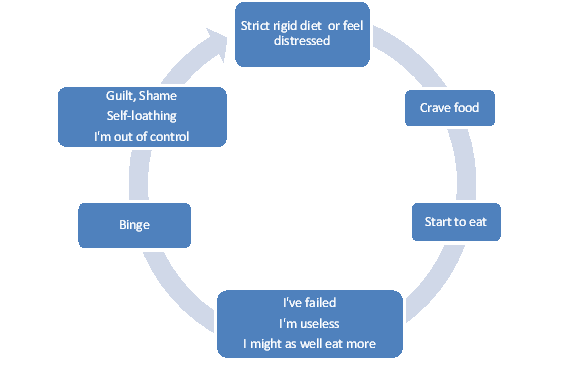
Controlling food intake: try to stick to rigid diet, fail, then binge
-
Don't eat normal meals
-
Eat alone, perhaps at night, secretively
-
Attempts to control weight (bulimia): Vomiting after eating, Disguising sound (run taps, flush toilet) and smell of vomiting (air-freshener, mints, perfume, mouthwash); Using laxatives, diet or diuretic pills; Exercising too much to try to control weight gain, or crash diets
Vicious cycle of Bulimia - what keeps it going?
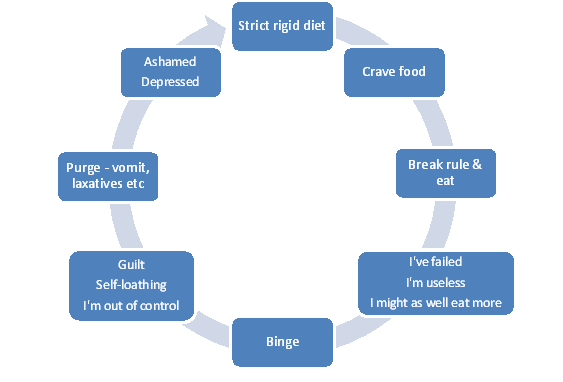
Vicious Cycle of Binge Eating - similar, but no purging
Before starting any self-help plan, particularly one that includes a diet and exercise plan - see your GP (or other appropriate health professional).
Doing things differently
-
Spend some time working out the times when you're most likely to binge - notice the thoughts that you often seem to have, the physical sensations, the emotions and how you react to them - then do something differently at those times. See this page
-
Do something that takes up your attention - Mindful Activity
-
Compromise - eat a small portion if you really can't resist
-
Get healthier food in, rather than sugar-rich foods
-
Drink 6 - 8 glasses of water each day
-
Seek help - others will support you
-
Keep a food diary (PDF) to assess your current intake, then...
-
Create a simple menu plan with a suitable health professional - and stick to it! E.g. 3 meals and 3 snacks per day
-
Weigh yourself no more often than weekly
-
Exercise contract - again, agreed with a suitable health professional. Stick to it!
 (Guide - 30 minutes of moderate exercise each day, include e.g. getting off the bus one stop early, taking stairs instead of lift)
 -
Use medication appropriately and only as prescribed - avoid laxatives, diet pills, diuretics
-
Eat with trusted family and friends rather than isolate yourself
-
Don't rush food - sit down and eat slowly, enjoying the taste. Eat Mindfully
-
Reward and treat yourself with something other than food when you've done well - something relaxing or fun
-
Use a Cravings Diary (PDF) to help you do things differently
Thinking differently
STOPP! Pause, take a breath, don't react automatically
Understanding links between thoughts, feelings and behaviours - see CBT self help courses
Positive Self-talk - encourage yourself, tell yourself: I can do this, I am strong and capable - find an affirmation that works for you (even if you don't believe it at first!). Write it down and memorise it for when you need it. See Affirmations
Be aware of those unhelpful thinking habits, including "compare and despair" - comparing yourself to others which trigger upsetting thoughts
Ask yourself:
-
Is this the
Am I doing that "compare and despair" thing where I compare myself to others, which makes me feel bad about myself?
-
Is there another way of looking at this?
-
Am I getting things out of proportion?
-
Am I underestimating my ability to cope?
-
Am I mind-reading what others might be thinking?
-
Am I doing that black-and-white thinking? There are shades of grey! I don't have to be 100% perfect, it's ok to be just ok.
-
What advice would I give someone else in this situation?
-
Am I putting more pressure on myself, setting up expectations of myself that are almost impossible? What would be more realistic?
-
Just because I feel bad, doesn't mean things really are bad.
-
What do I want or need from this person or situation? What do they want or need from me? Is there a compromise?
-
What would be the consequences of responding the way I usually do?
-
Is there another way of dealing with this? What would be the most helpful and effective action to take? (for me, for the situation, for the other person)
-
Am I exaggerating the good aspects of others, and putting myself down? Or am I exaggerating the negative and minimising the positives? How would someone else see it? What’s the bigger picture?
When dealing with cravings or trying to break a binge:
-
STOPP! Pause, take a breath
-
Use Mindfulness
-
Drink a large glass of water, iced tea or vegetable juice, and pause
-
Write down what you eat whilst you binge
-
Focus your attention fully on another activity - Mindful Activity
-
Do something different (to what you normally do)
-
If you carry on eating, eat very slowly, and mindfully. Eat foods that take more chewing such as raw vegetables
Relaxation Techniques - try lots and find one that works for you
-
Put on some music - sing and dance along, or just listen attentively (use music that is likely to help you feel your desired emotion - avoid sad songs if you're depressed)
-
Meditation or Prayer
-
Help others

-
Be with others - contact a friend, visit family
-
Use grounding techniques or hold a comforting object.
-
Engage in a hobby or other interest - if you don't have one, find one! What have you enjoyed in the past? What have you sometimes thought
 about doing but not got around to?
 -
Write down your thoughts and feelings - get them out of your head
-
Just take one step at a time - don't plan too far ahead
-
Pamper yourself - do something you really enjoy, or do something relaxing
Positive Self-talk - encourage yourself, tell yourself: I can do this, I am strong and capable - find an affirmation that works for you (even if you don't believe it at first!). Write it down and memorise it for when you need it.
-
Do something creative - make a box of items that remind you to use the
 techniques that help, or put photos on paper, or write and decorate a list
 -
Use Safe Place Imagery
-
Tell yourself: "This will pass, it's only temporary". "I've got through this before, I can do it now". When we're going through a tunnel and become fearful of being trapped, there's no point in stopping - we just have to carry on in order to reach the end of the tunnel. That light is there, and waiting!
-
Find an alternative and healthier way of dealing with distress PDF
-
If you have a setback and binge - tell yourself it's ok, it's only once - don't dwell on it too much (other than see what triggered it so that you can then get back onto your self help plan)
- Use relaxing and self help mp3s
Learn effective skills online - The Decider Skills For Self Help online course
Bulimia Self Help - this page as PDF
Further information
Cravings Diary PDF
BOOKS WE LOVE